
A Journey Through Austria’s Rich History
Austria’s historical background is a captivating tapestry woven from various significant events that have shaped its cultural and national identity. The rise and fall of the Austro-Hungarian Empire are especially prominent in this historical narrative. Established in 1867, the Empire became a dominant force in Central Europe, exemplifying a rich blend of diverse cultures, languages, and traditions. Its eventual dissolution after World War I in 1918 marked a transformative moment in Austrian history, as the nation transitioned from an imperial powerhouse to a republic, reconfiguring its social and political structures.
The aftermath of the two World Wars deeply impacted Austria, shattering its previous grandeur and contributing to a complex relationship with national identity. The repercussions of World War I led to economic hardships and a significant population reduction, while World War II left an indelible mark on the nation, casting a long shadow over its future. The conquest and annexation by Nazi Germany during this period brought about a protracted struggle with the implications of collaboration and resistance, which still resonate in Austria’s collective consciousness today.
Significantly, these historical events have influenced modern Austrian culture, resulting in a society that is both reflective and diverse. A deep appreciation for history is encapsulated in the country’s many historical landmarks and museums, which serve as vital repositories of its heritage. Venues such as the Hofburg Palace in Vienna and the Mauthausen Memorial offer insights into the complexities of Austria’s past, allowing visitors to engage with and understand its historical significance. Through these experiences, one can appreciate how Austria has emerged from the shadows of its tumultuous history to develop a distinct cultural identity celebrated worldwide.
The Breathtaking Landscapes of Austria
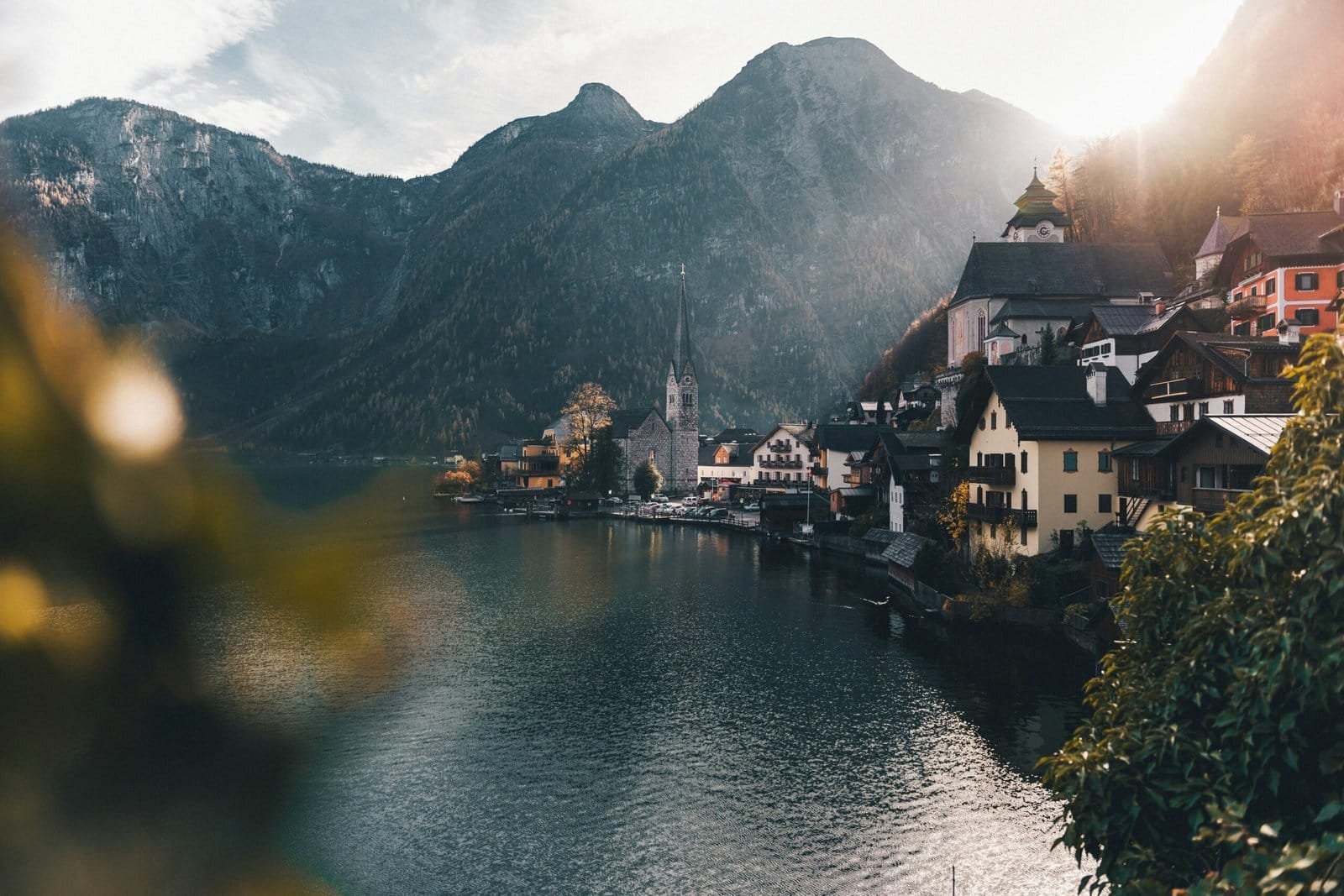
Austria is renowned for its staggering landscapes that beautifully blend towering mountains, serene lakes, and quaint villages. At the heart of this picturesque country lies the majestic Alps, which extend across the western region. This mountain range not only captivates visitors with its stunning peaks but also serves as a hub for outdoor enthusiasts. Skiing in the winter months attracts thrill-seekers from around the globe, while summer invites hikers and cyclists to explore numerous trails that reveal the breathtaking beauty of Austria’s topography.
For those keen on hiking, the Austrian Alps offer trails for all skill levels, providing an array of options from gentle walks to demanding climbs. The Salzkammergut region, with its emerald lakes and panoramic mountains, is perfect for those who appreciate a blend of nature and culture. Popular trails such as the Wolfgangsee trail enable hikers to enjoy breathtaking views of the lake, while also passing through charming villages. For cyclists, the Danube Cycle Path is a famed route that meanders alongside the Danube River, offering a scenic experience rich with cultural sites.
The natural parks in Austria boast unspoiled landscapes and diverse wildlife. The Hohe Tauern National Park stands out as the largest national park in the country, offering avenues for hiking, birdwatching, and even climbing. The park is home to Austria’s highest peak, Grossglockner, which provides adventurous routes alongside breathtaking vistas. Other notable natural parks, such as the Gesäuse National Park and the National Park Donau-Auen, showcase Austria’s incredible biodiversity and natural features.
When planning a visit, the best times to experience Austria’s outdoor beauty range from late spring through early fall for hiking and cycling, while winter months promise outstanding skiing conditions. With its picturesque landscapes and a myriad of outdoor activities, Austria promises an unforgettable adventure for nature lovers and outdoor enthusiasts alike.
A Taste of Austrian Cuisine
Austrian cuisine is renowned for its rich flavors, hearty ingredients, and diverse cultural influences. Rooted in the traditions of the Austro-Hungarian Empire, the gastronomy of Austria showcases a unique blend of German, Italian, and Eastern European culinary styles. This fusion has resulted in a vibrant array of traditional dishes that reflect the country’s history, geography, and climate.
One of the most iconic dishes is the Wiener Schnitzel, a breaded and fried veal cutlet that epitomizes Austrian comfort food. Traditionally served with a slice of lemon and potato salad, this meal has become a symbol of Austria’s culinary heritage. Another hallmark of Austrian gastronomy is the Sachertorte, a decadent chocolate cake layered with apricot jam, which can be found in many cafés across Vienna. Moreover, Apfelstrudel, a delicious pastry filled with spiced apples and raisins, encapsulates the essence of Austrian desserts and is best enjoyed warm with a side of vanilla sauce or ice cream.
To experience authentic Austrian cuisine, travelers should explore local taverns and family-run restaurants, often referred to as “Gasthäuser.” These establishments take pride in using fresh, seasonal ingredients sourced from nearby farms, enhancing the dishes’ flavor and nutritional value. Additionally, many regions in Austria have their specialties, such as Tyrolean speck or Styrian pumpkin oil, which are worth trying for a true taste of the area.
In recent years, there has been a growing emphasis on sustainable culinary practices, with chefs focusing more on local produce to reduce their carbon footprint. This trend not only supports local economies but also ensures that diners enjoy meals prepared with the freshest ingredients available. With its unique history and local influences, Austrian cuisine continues to captivate food enthusiasts and remains an essential part of the nation’s cultural identity.
Cultural Highlights: Arts, Festivals, and Traditions
Austria possesses a rich cultural heritage that captivates both its residents and visitors alike. The country’s artistic legacy is perhaps most profoundly expressed through its music, with illustrious composers such as Wolfgang Amadeus Mozart and Johann Strauss emerging from its historic cities. Mozart, one of the most esteemed figures in classical music, was born in Salzburg and has left an indelible mark on the genre with works that continue to resonate with audiences around the globe. Similarly, Strauss, often referred to as the “Waltz King,” has played a crucial role in shaping the Viennese waltz, an essential aspect of Austria’s musical identity.
Classical music is not merely a historical artifact in Austria but a vibrant aspect of contemporary society. The annual Vienna Philharmonic Ball, for instance, showcases the country’s dedication to maintaining its musical traditions while also inviting innovation and global participation. Furthermore, the Salzburg Festival stands as a hallmark celebration of classical arts, presenting a rich array of opera, drama, and concerts that attract artists and audiences from around the world. This annual festival, taking place each summer, highlights Austria’s commitment to the arts.
Additionally, Austria’s cultural fabric is woven with numerous traditional customs and folklore. Espoused through folklore dances, such as the Schuhplattler, lively narratives and customs reflect the diverse regional identities within the nation. Seasonal festivals, like Vienna’s enchanting Christmas markets, draw many to experience the festive spirit through crafts, traditional foods, and local performances, while simultaneously reinforcing community ties. These annual gatherings not only showcase local talent but also preserve age-old traditions, ensuring that Austria’s vibrant culture continues to thrive.